
The sun is out, the birds are chirping, and the vibrant energy of late spring is beginning to influence the housing market. May presents various seasonal indicators that signal a market shift driven by higher demand and stabilizing supply, making it a unique month that sets the stage for the summer.
These are what we call seasonality trends, patterns we see every year around the same time. They help explain how buyers and sellers typically behave as the housing market approaches peak sales season and offer useful insights for planning real estate strategies. Buyers and sellers can use these seasonal trends to understand the broader market as they decide how to time their home purchase or listing.

It is important to note that the following estimates represent a “normal” pre-pandemic spring (1999-2019). This allows us to compare today’s housing market with what is typically expected at this time of year.

Supply & Demand

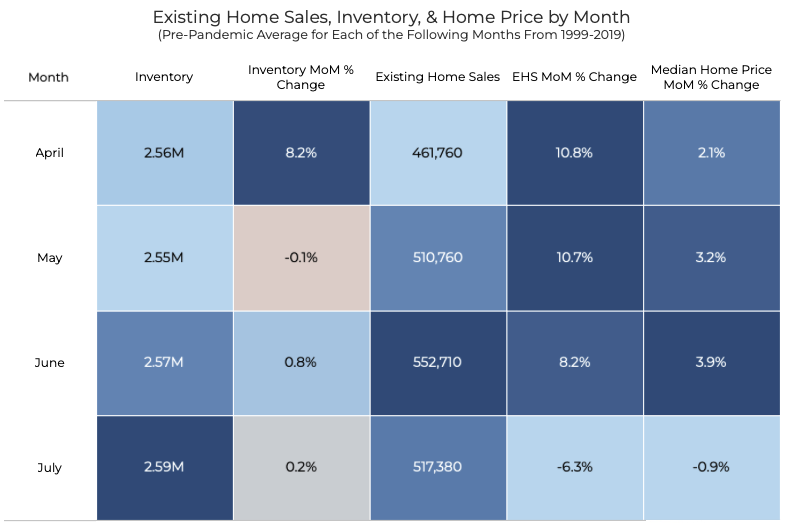
To begin with, we can look at the average number of existing-home sales in April:

  • April: 461,762

  • May: 510,762

  • June: 552,714

  • July: 517,381

Historically, existing-home sales tend to rise by 10.7% in May, surpassing 500,000 units and remaining elevated until September. While these levels have not been seen in recent years, the period from May through August generally provides conditions for a more dynamic market, characterized by higher volume and rapid movement. May offers ideal moving conditions and coincides with the end of the school year, which is convenient for families looking to use the summer to get acclimated to the new house and neighborhood.

The growing number of listings from the prior months has likely been recognized by prospective buyers. This awareness, coupled with the longer, warmer days, encourages these households to begin looking seriously, resulting in more competing offers for homes.

Let’s take a closer look at inventory to further understand supply:

•    April: 2.56 million
•    May: 2.55 million
•    June: 2.57 million
•    July: 2.59 million

These levels reflect typical pre-pandemic spring-summer conditions, well above today’s inventory, which remains below 1.5 million – about a million homes short of what used to be normal.

May typically shows a slight decline in inventory (0.1%), suggesting that active listings are beginning to level off after the surge seen in early and mid-spring. New listings are being swept up by new buyers entering the market, making large spikes in inventory less common as the spring season comes to an end and demand reaches peak levels.

May can be a busy time for families with children who remain in class until the end of the month, resulting in a delayed listing of their current home as the school year wraps up. Some sellers may also be aware that holding out until June or July may lead to even better offers, and, given the season’s faster turnover, they can expect to sell within a month of the listing date.

The median home price sees a substantial 3.2% spike in May, the second-largest increase of the year on average. This is expected given the typical conditions of a tighter market, combined with growing demand heading into the peak season. Buyers are looking to close at a logistically convenient time and likely understand that prices will only increase over the summer months, leading them to make meaningful offers in the hope of finding a home sooner so that a relatively reasonable price can be secured.

Days on the Market: How Quickly Sellers Can Expect to Find a Buyer

Next, we will look at the number of days a typical home spends on the market to see how May market conditions affect the time required for a seller to find a deal in the spring-summer season.

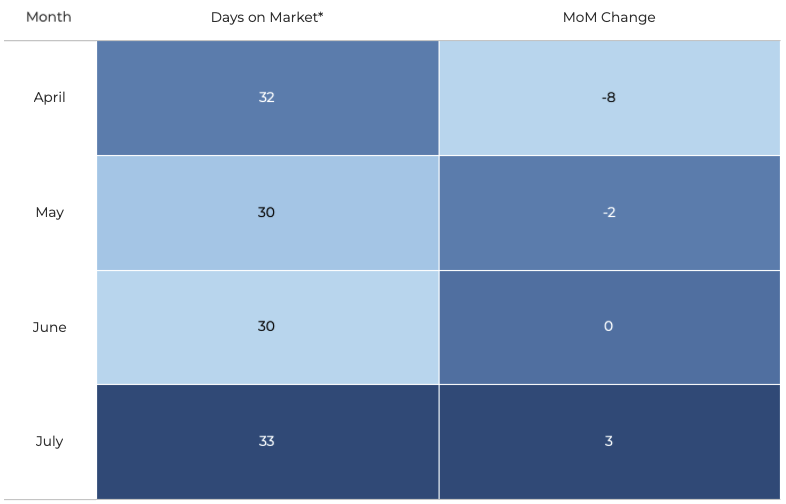
Historically, the typical home spends 30 days on the market, a slight decline from April and the lowest level alongside June out of all the months in the year. As previously mentioned, the combination of favorable weather conditions and the abundance of buyers relative to inventory contribute to less time spent on the market for a typical home.

Buyer Characteristics: Who Is in the Market in May?

Lastly, we will look at the share of first-time and cash buyers to get a sense of the typical buyer in the month of May.

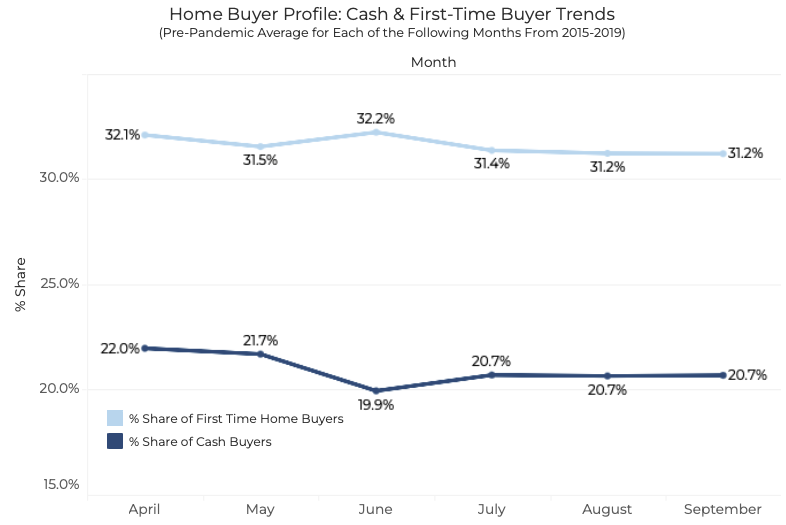
The share of homes purchased by first-time home buyers declines slightly by 0.6%, displaying the first decrease since January despite the overall share of first-time buyers remaining high relative to the early spring. Some first-time home buyers are likely deterred by the recent price uptick and are choosing to exit the market until prices begin to wane in late summer and fall. Others may wait until the school year ends in late May or early June before looking for a house.

Similarly, the share of homes purchased by cash buyers typically decreases by 0.3%. Investors are less motivated to buy heading into peak season due to elevated prices, which is the primary driver for this demographic, as they do not rely on financing. This is important to reflect on, as relatively higher borrowing costs in recent years have resulted in a greater share of cash buyers overall than the historical average. Investors are less directly affected by increased daylight and freedom from academic schedules, as discussed above. These conditions provide families with additional time to view homes, resulting in an inflow of buyers, which drives up prices, making cash purchases less feasible.

In May, REALTORS® can expect more competition for homes, reducing the existing supply gaps left over from the spring and boosting closing prices. The market has not yet reached peak demand, so prospective buyers hesitant to close can be made aware that prices are expected to increase in June, when demand is at its highest, and to remain elevated for the remainder of the summer. For sellers, listing in May can be a good time as strong buyer demand increases the likelihood of more offers and favorable sales terms. 

Bottom Line

May marks the transition into peak housing season, where rising buyer demand and limited inventory create stronger competition, faster sales, and upward pressure on prices—making it an ideal window for sellers and a more competitive environment for buyers.