From overlooking vulnerable pipes to neglecting exterior maintenance, these common oversights leave homeowners facing preventable damage and expensive repairs when winter weather strikes.
As temperatures drop and winter approaches, homeowners should ensure their home is ready to brace the cold. Cold weather damage can lead to costly repairs, affect a home’s condition and potentially complicate plans to put a property on the market. For homeowners considering selling, taking care of seasonal maintenance can help prevent avoidable problems and keep a home in better shape for showings and buyer inspections.
After all, the financial consequences of extreme weather can also be extreme. According to Hippo Insurance’s 2026 Extreme Weather Report, half of U.S. homeowners surveyed said they had paid out of pocket for weather-related home damage in the past three years. Among those surveyed, 21% had paid $2,000 or more, and 9% had paid at least $5,000. The report also found that 80% of homeowners were not financially prepared for an unexpected weather-related repair.
With winter weather capable of causing everything from frozen pipes to roof damage and water intrusion, homeowners can take steps to reduce their risk of costly surprises. Courtney Klosterman, home insights expert at Hippo Insurance, shares a few common mistakes to avoid when preparing a home for colder weather.
1. Neglecting gutters and roof maintenance.
Clogged gutters can prevent water from draining properly away from the home, which can increase the risk of water entering as well as ice dams when temperatures fluctuate. Ice dams form when melting snow refreezes near the roof’s edge. That can cause water to be forced beneath the shingles and into the home.
Before winter arrives, clear leaves and debris from gutters and downspouts, check that water drains away from the foundation, and inspect the roof for damaged or missing shingles. “Consider installing gutter guards to prevent clogs and make maintenance easier,” Klosterman says.
2. Overlooking pipes that could freeze.
Frozen pipes are among the more disruptive cold-weather home problem, leading to costly water damage, Klosterman says. When water freezes and expands inside plumbing, it can cause pipes to crack or burst, potentially releasing water into walls, floors and other parts of the home.
Insulate exposed pipes in unheated areas, such as basements, crawl spaces and garages. Disconnect and drain outdoor hoses, and shut off and drain exterior water lines where appropriate. Homeowners should also know where their home’s main water shutoff valve is located in case a pipe bursts.
During prolonged freezes, make sure to maintain adequate heat inside the home, even when away. If a property will be vacant during cold weather, consider having someone check on it regularly.
3. Waiting until the first freeze to service heating equipment.
A furnace or heat pump failure during a cold snap can leave a home not only uncomfortable but also increase the urgency and potentially the cost of repairs. Waiting until the heating system stops working can also make it harder to schedule service during peak demand.
Schedule routine maintenance before the coldest weather arrives. Replace or clean filters according to the manufacturer’s recommendations, keep vents unobstructed and make sure smoke and carbon monoxide alarms are working properly.
Homeowners with fuel-burning heating equipment should also ensure that it is inspected and maintained as recommended by the manufacturer. Routine servicing can help identify potential problems before the heating system is used the most and could even extend its life, Klosterman says.
4. Ignoring drafts and inadequate insulation.
Gaps around windows and doors, poorly insulated attics and other air leaks can allow heated air to escape, making a home less comfortable and potentially increasing energy costs throughout winter, Klosterman says.
Check weatherstripping around doors and windows, seal appropriate gaps with caulk, and look for areas where insulation may be insufficient. Be sure to carefully evaluate attics, crawl spaces and exposed plumbing areas.
Improving insulation and air sealing can help maintain more consistent indoor temperatures and reduce heat loss, Klosterman says. Proper attic insulation and air sealing can also help limit the uneven roof temperatures that contribute to ice dams. Consult a pro for larger insulation projects to determine where improvements will have the greatest impact.
5. Assuming insurance will cover every weather-related repair.
Even well-maintained homes can sustain damage during severe winter weather. But homeowners who have not reviewed their insurance policies may discover too late that their coverage, deductibles or exclusions differ from what they expected.
Review your homeowner insurance policy before winter, paying attention to coverage limits, deductibles and exclusions. Ask your insurer how the policy addresses damage from frozen pipes, ice, snow, wind and water intrusion, and whether any special conditions apply when a home is vacant.
For example, standard homeowners insurance generally does not cover flood damage, and coverage for certain types of water damage can depend on the circumstances and policy language. Homeowners in areas at risk of flooding may need separate flood insurance.
Homeowners also should consider creating a home inventory list—photographing valuable belongings and keeping copies of important insurance documents somewhere accessible in case the home ever gets damaged.
Bottom Line
Preparing your home for winter is one of the smartest ways to prevent costly repairs and protect its long-term value. Simple preventive steps like cleaning gutters, insulating exposed pipes, servicing heating systems, sealing drafts, and reviewing insurance coverage can make a significant difference when freezing temperatures arrive. A little maintenance now can help avoid expensive surprises, improve energy efficiency, and keep your home safe and comfortable throughout the winter.

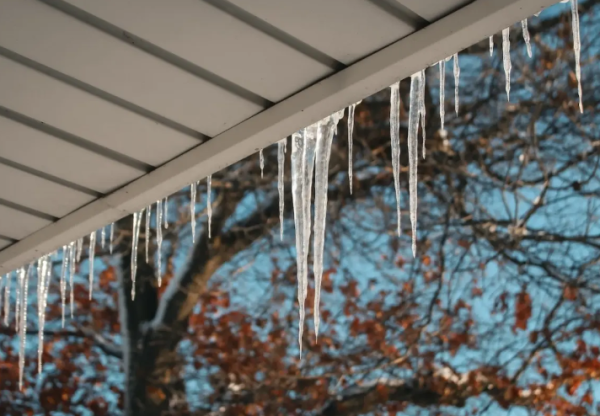 From overlooking vulnerable pipes to neglecting exterior maintenance, these common oversights leave homeowners facing preventable damage and expensive repairs when winter weather strikes.