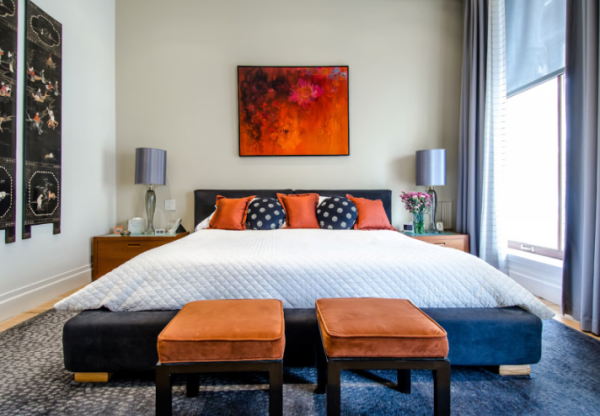
Staging helps listings create a strong first impression both online and in person, making it easier for buyers to emotionally connect with the home and picture themselves living there. As a real estate agent, I often staged my listings because I consistently saw how much of a difference it made in attracting buyers, generating interest, and helping homes stand out from the competition. Research supports that impact as well: nearly 3 in 10 agents say staging increased offers by 1% to 10%, while almost half reported that staged homes spent fewer days on the market.
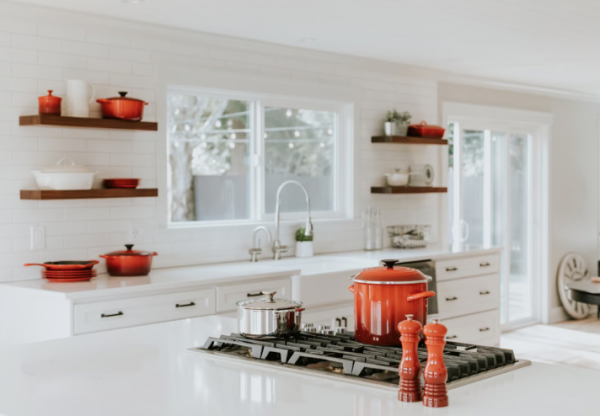
Use our practical, budget-smart tips below to get the biggest lift fast!

What is home staging & why clients need it

Home staging is a marketing strategy — layout, color, furniture, and décor arranged so buyers can picture themselves living well in the space. It matters because most first impressions happen on a phone before a showing. Staged rooms photograph cleaner, feel more spacious, and make the home’s best features obvious. To get the most impact, focus on the rooms buyers judge first: the living room, the primary bedroom, and the kitchen.

What staging is really doing for buyers

Home staging isn’t just decorating–it’s buyer psychology. The goal isn’t to make a home look expensive. The goal is to make buyers emotionally comfortable enough to picture themselves living there. When buyers can instantly understand how a space feels and functions, they make decisions faster and with more confidence.

That matters because more first impressions now happen online, before a buyer ever steps through the front door. According to the National Association of Realtors, 83% of buyer’s agents said staging made it easier for buyers to visualize a property as their future home. Another 60% said staging had at least some effect on buyers’ perception of the property.

The longer buyers spend trying to “figure out” a room, the less emotionally connected they become to the home. Great staging removes distractions, highlights the home’s strongest features, and helps buyers focus on the feeling every seller wants to create: I can see myself living here.

Cost of home staging

Budgets vary by market, size, and scope. Think in layers. Start with what shows in photos — paint, lighting, floors, and clean sightlines — then add texture with textiles, greenery, and a few high-impact accents. 

As far as pricing goes, current benchmarks are straightforward. According to the NAR Profile of Home Staging report, the median spend is about $500 when the listing agent handles staging tasks and about $1,500 when a staging service is hired. It can cost more to install furniture, so stage key rooms first to control costs. If timelines or budgets are tight, virtual staging can show alternate layouts and styles at a low per-image price.

15 clever home staging tips

If you want to be a master stager, remember these house staging tips whenever you have a new listing due for an upgrade:

1. Start with the curb appeal

If the exterior doesn’t invite them in, the interior work won’t make the same impact. Keep the lawn crisp, edge walkways, and trim hedges and trees so lines look clean. Add a simple color near the entry and refresh the elements buyers touch — numbers, mailbox, door hardware, and the doormat.For more ideas that photograph well, check out our curb appeal ideas for every budget.

2. Make rooms feel larger

Add height to any room with window drapes and panels that extend from the ceiling to the floor, not just over the windows. Find some decorative curtain rods and hang them high, just below the ceiling, and add sheer or blackout drape panels that extend to the floor. This way, the room will feel more spacious as the eyes are drawn towards the ceiling.

3. Use mirrors or reflective art

Mirrors can add depth to a flat space. Hence, they can also be affordable statement pieces that transform a blank wall into a stylish one. Place one to reflect a window, greenery, or a tidy vignette. Over a mantle or leaned in a corner, a mirror expands a room in photos and guides the eye during tours.

4. Eliminate clutter, not the personality

Edit surfaces and storage overflow so rooms breathe. Remove multiples and minis; keep one statement object or a tight trio for balance. Leave signs of life — a textured throw, a plant, a neat tray — but avoid personal or polarizing items, like family photos or names. Take a test photo and edit again.

5. Invest in high-end accessories for the kitchen
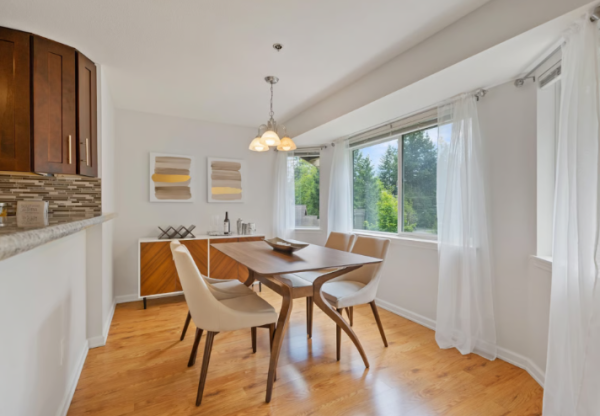
A few high-end kitchen decor pieces can go a long way in helping build the fantasy that people with good taste (and lots of disposable income) would love in the home. Remember that they don’t have to be super high-quality and expensive — they only have to appear high-quality and costly. Grab some beautiful oil-and-vinegar decanters, a classy utensil holder from Le Creuset, or a Polish pottery dish for fresh fruit.

6. Use large potted plants to fill in empty spaces

Potted plants do more than clean the air. Greenery adds life, color, and scale. A tall plant balances a bare corner or fills space when furniture is light. Aim for two or three substantial plants across the main areas. Keep pots simple and consistent.

7. Paint the walls with muted colors & let the furniture pop

Paint with softer, muted colors to avoid bad real estate photos and let the furniture pop. Our team of agents loves recommending Sherwin-Williams’ Agreeable Gray, a warm, greige color. Think of your listing’s walls as a blank canvas for future homeowners. Treat accent walls the same way — keep the colors neutral and soft.

8. Use art & coffee table books to build the fantasy

There is an excellent reason why almost every high-end home on the internet is staged with oversized art, fashion books, and incredible art pieces. They help create the fantasy that people envision for themselves when looking at the home. Find coffee table books at used bookstores or even your local thrift store. It doesn’t have to be expensive to look great in your staged home.

9. Repaint cabinets & replace drawer pulls in the kitchen

A paint refresh modernizes cabinets for a fraction of the cost of replacement. If hiring, ask for a sprayed finish and proper curing. If you go the DIY route, prep is everything: clean, sand, prime, then paint. Update hardware with simple, modern pulls in one finish. Match existing hole spacing to avoid patching.

10. Accessorize the bathroom

Clear counters read clean, but an empty bathroom feels cold. Accessories like plants, candles, or high-end soap bottles can quickly add warmth and life to a bathroom. Think of it as creating a mini oasis that feels cozy and relaxing. Don’t forget to wipe down fixtures before photos so everything gleams!

11. Go gender-neutral when staging children’s bedrooms

Whenever you stage a child’s bedroom, ensure the furniture and decor you choose are gender-neutral. You cannot know the gender of your buyer’s children, so creating a typical boy’s or girl’s room can kill their fantasy. Keep walls and bedding neutral, add a soft pattern, and display a few age-neutral toys or books.

12. Refinish damaged or heavily worn hardwood floors

Floors can really set the tone. Refinishing hardwood flooring or sprucing up luxury vinyl plank is an easy and affordable way to upgrade a home. You’ll be surprised at the instant makeover from a quick refinish of the floors. After all, your client could have the most beautiful furniture in the world, but the entire room will feel cheap if the floors are scuffed up and dirty.

13. Stage the home’s front entrance

Staging the front entrance is crucial since the front door will be the buyer’s first impression. You don’t have to go overboard here, either. The right lighting, a few potted plants, a chair, or a cafe table can make a front entrance much more inviting. Keep mats clean, hide extra shoes, and make sure the door swings freely.

14. Remove signs of pets

You can market “pet-friendly” without showing pet wear. Store bowls, beds, toys, and litter boxes during photos and tours. Neutralize odors with a deep clean and avoid heavy scents that read as cover-ups. Lint-roll textiles before you lock up.

15. Use virtual staging

Don’t underestimate the power of virtual staging. It’s a game-changer! With virtual staging, you can showcase multiple ways to use a room, swap out decor styles to reflect the latest trends, and give potential clients a feel of the space without buying furniture. Using Apply Design, you can virtually stage a room in minutes.

Home staging mistakes that hurt buyer perception

Even small staging mistakes can change how buyers emotionally respond to a home. The goal isn’t perfection–it’s helping buyers immediately understand the space and feel comfortable in it. Here are some of the most common mistakes that can quietly work against a listing:

  • Don’t over-stage: Too much furniture, decor, or styling can make a home feel smaller and distract buyers from the property itself. Strong staging should guide attention to the home’s best features, not compete with them.

  • Designing around personal taste instead of broad appeal: Highly specific styles, bold themes, or overly personalized spaces can make it harder for buyers to picture themselves living there. Neutral doesn’t have to mean boring; it just means creating a space that feels widely approachable.

  • Ignoring how the home photographs: Today, staging is just as much about photography as it is about in-person showings. Dark rooms, cluttered surfaces, poor lighting, or awkward furniture layouts can make buyers scroll past the listing before they ever schedule a tour.

  • Spending too much on renovations, the buyer may change anyway: Not every home needs a major remodel before listing. In many cases, fresh paint, better lighting, updated hardware, and thoughtful staging deliver a stronger return than expensive renovations that may not align with the next buyer’s taste.

  • Forgetting that buyers notice how a home feels: Buyers may not consciously analyze staging choices, but they immediately notice when a home feels cramped, chaotic, dark, or difficult to understand. Great staging creates flow, calmness, and clarity throughout the home.

Bottom Line

Home staging is one of the most cost-effective ways to help a property make a strong first impression, both online and in person. By highlighting a home’s best features, minimizing distractions, and helping buyers envision themselves living there, thoughtful staging can generate more interest, reduce time on the market, and support stronger offers—all without the expense of major renovations.