From stone fireplaces to show pantries, these five emerging home design trends are already influencing buyer expectations.
Every season, home tours and new construction showcases offer a glimpse into the latest ideas shaping residential design. This year, several design themes appeared consistently across a wide range of homes, from entry-level townhomes to high-end custom builds.
During this year’s tours, five design trends repeatedly stood out, not just in a few showcase properties, but across multiple builders and price points. When architects and builders independently begin incorporating the same features and finishes, it is often a sign that those ideas have moved beyond design inspiration and into mainstream homebuilding.
New construction trends also tend to spread from larger and more design-driven markets into secondary markets over time. If these features have not yet become common locally, there is a good chance buyers will begin asking about them in the near future. For anyone working with resale properties, understanding these trends can also help explain the differences buyers may notice between older homes and newer construction.
Here are five design trends expected to gain momentum in 2026 and why they are resonating with today’s buyers.
1. Floor-to-Ceiling Stacked Stone Fireplaces
The dominant fireplace material this year is light, dry-stack limestone—Lueder or Indiana cut—running from hearth to ridge line on cathedral walls, usually paired with a chunky white-oak mantel. A buyer who walks into a 2018 build and sees a tiled fireplace surrounded by white shiplap is going to read it as dated faster than the comps suggest. Be ready for that conversation.
2. Black-Framed Windows, Top to Bottom
Black metal mullion windows are showing up in starter homes and custom builds alike—gym walls, primary bedrooms, dining rooms, you name it. Replacing windows is one of the highest-cost cosmetic changes a homeowner can make, and we’re now in a market where buyers are starting to deduct it on resale. Walk your sellers through that math before they price.
3. Wood-Clad Ceilings and Real Exposed Beams
Tongue-and-groove white oak planking on tray and cathedral ceilings is becoming frequently paired with real (or convincingly faux) structural beams. The “ceiling as fifth wall” trend has graduated out of kitchens and is now showing up in primary bedrooms and screened porches. When a buyer says a room “feels custom” in 2026, eight times out of 10, they’re reacting to something happening above their heads.
4. White Oak Cabinets and Two-Tone Kitchens
Stained or rift-cut white oak wood on islands and pantries is being paired with painted perimeter cabinets in warm white, soft greige or deep matte. A handful of homes are pushing further into walnut and sapele, a slight warming up from pure oak. Tell your sellers that an all-white kitchen with gray quartz is not a deal-breaker, but it’s no longer the safe, neutral default it was in 2020. If they have any budget for a refresh, the island is the highest-leverage place to spend it.
5. Wet Bars and Show Pantries on Display
Almost every basement now has a built-in, fully loaded wet bar. And walk-in pantries went from utilitarian to “second kitchen”: with its own range, sink, floating shelves, the works. The kitchen has expanded to a back-of-house room, and buyers are starting to expect both.
How to Use This Information With Buyers
Trend reports are easy to read and hard to apply. Here’s how I work this stuff into the consult itself:
Never Lead With Trends
I lead with what the buyer wants to do with their life in the house, and then I use the trend list privately, in my head, as a way to translate their language. When a buyer says, “I want it to feel warm,” I apply that idea to lighting and finishes. When they say, “I want it to feel modern but not cold,” that could translate to black windows with a stone fireplace, not a glass-and-steel box. Knowing the current visual vocabulary makes you faster at decoding what they actually want.
Use Trends for a Resale Safety Check
If a buyer is choosing between a 2019 spec home and a 2025 spec home at similar prices, I can show them—with photos from my own tours—what the 2019 home is going to look like to the next buyer in 2030. Not to talk them out of the older home, but to help them set aside an honest cosmetic update budget.
With Sellers, Use Trends to Set an Update Plan
Knowing that black-framed windows, an updated island and a stone fireplace each move the needle more than a fresh coat of greige paint helps me give them an honest priority list—instead of a generic “declutter and repaint” speech.
The Zoom Out on This Trend
The big-picture takeaway from these trends is clear: today’s buyers are gravitating toward homes that feel warm, inviting, layered, and thoughtfully designed. Preferences are continuing to shift away from the stark whites and cool grays that dominated previous years and toward spaces with more contrast, texture, character, and personality.

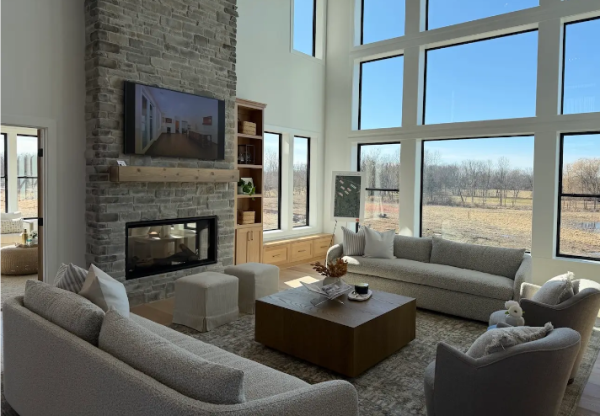 From stone fireplaces to show pantries, these five emerging home design trends are already influencing buyer expectations.
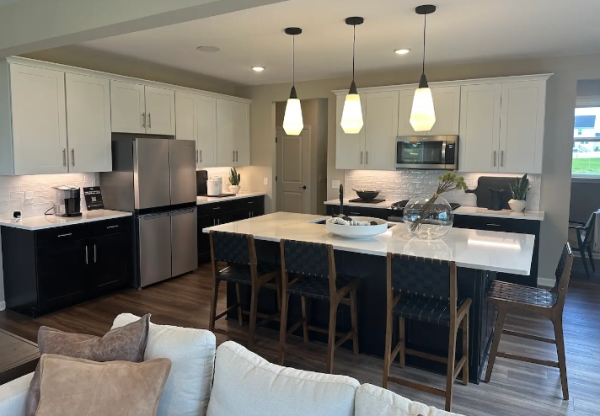 4. White Oak Cabinets and Two-Tone Kitchens